Common Flooring Problems in Mobile Homes and How to Fix Them
Mobile homes offer an affordable and flexible living solution for many families across the country. Their compact design and customizable interiors make them appealing, yet they come with unique maintenance challenges, especially when it comes to flooring. Unlike traditional homes, mobile homes are subject to constant movement, settlement, and environmental exposure, which can directly impact the integrity of their floors. From sagging areas to water damage, flooring issues are among the most common and persistent problems homeowners face, and ignoring them can lead to costly repairs and safety hazards. Understanding these problems and how to address them is crucial for maintaining a safe, comfortable, and visually appealing living space.
Flooring problems in mobile homes are not just cosmetic—they affect safety, hygiene, and the overall longevity of the structure. Whether it’s warped vinyl, creaking plywood, or loose carpet, identifying the underlying cause is the first step in effective repair. By learning about common flooring challenges and adopting practical solutions, mobile homeowners can extend the life of their floors, enhance property value, and enjoy a stable, secure environment. This guide provides actionable insights, expert reasoning, and step-by-step solutions for the most frequently encountered flooring problems in mobile homes.
1. Sagging or Uneven Floors
Causes of Sagging
Sagging floors are one of the most noticeable issues in mobile homes. They typically result from a combination of age, moisture exposure, and insufficient support from the floor joists or subflooring. Over time, the wooden beams that support the home can weaken or shift, especially in areas with uneven ground or inadequate leveling. Additionally, excessive weight in specific areas, such as heavy furniture or appliances, can accelerate sagging.
How to Identify Sagging Floors
Homeowners can identify sagging floors through visual inspection and simple tests. Look for noticeable dips, soft spots when stepping, or uneven gaps where flooring meets walls. A level tool can be used to measure discrepancies across different sections of the floor. Early detection is essential; ignoring sagging can cause damage to the flooring material, lead to tripping hazards, or exacerbate structural issues.
Solutions and Best Practices
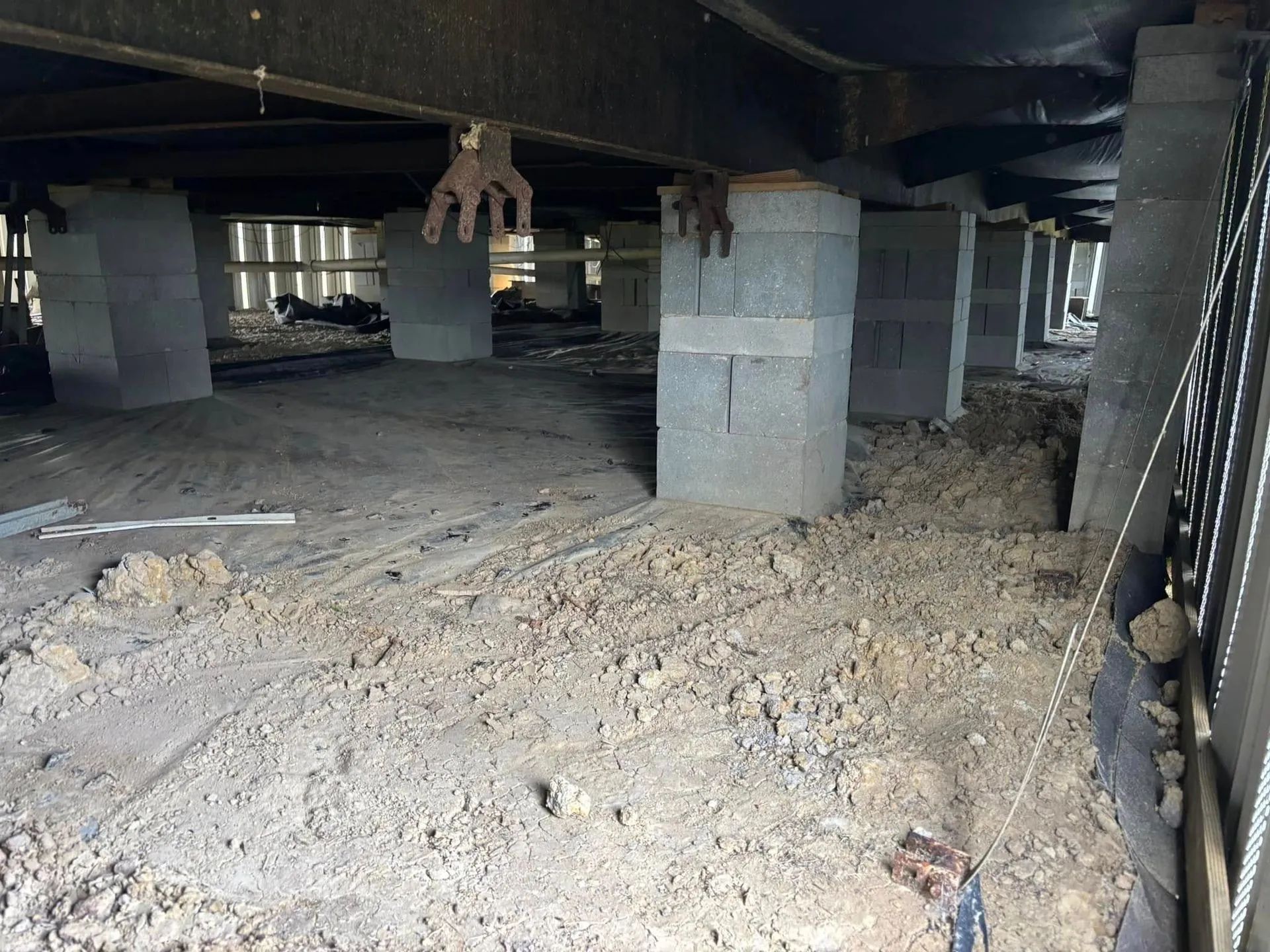
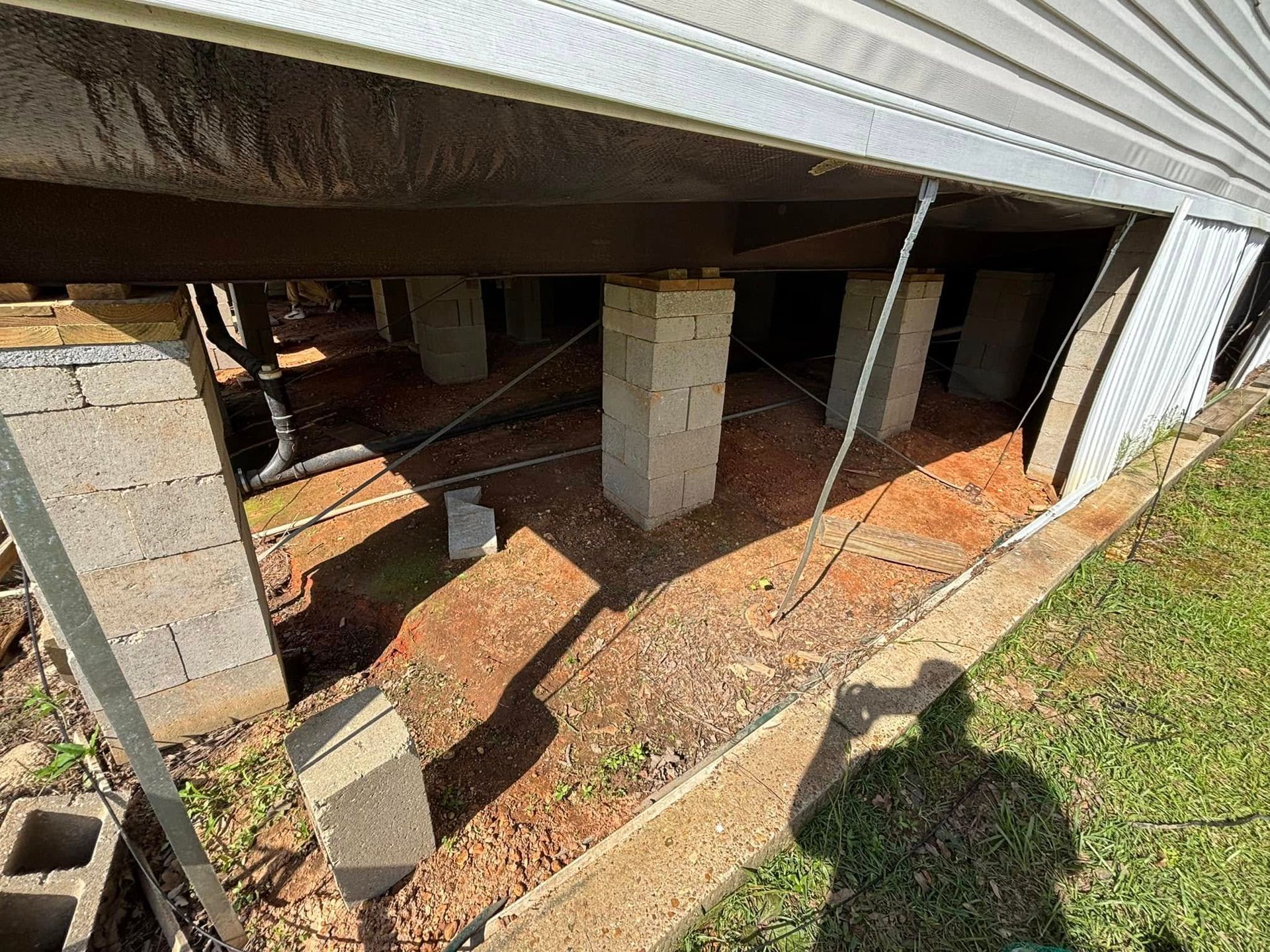
Fixing sagging floors typically involves reinforcing the support system. Installing additional floor jacks or adjustable support posts beneath weakened joists can stabilize the structure. In some cases, replacing damaged subflooring or joists may be necessary. Mobile home owners should ensure proper leveling during repairs to prevent recurring issues. Consulting a professional is recommended, especially if the sagging is widespread or affects multiple areas of the home.
2. Water Damage and Moisture Issues
Common Causes
Moisture is a leading contributor to flooring problems in mobile homes. Leaks from plumbing, roof damage, or high humidity can lead to water seeping into the flooring material. Vinyl, laminate, and plywood subfloors are particularly susceptible to water damage. Prolonged exposure can cause warping, mold growth, and decay, which not only affects the floor but can compromise the indoor air quality and structural stability of the home.
Signs of Water Damage
Water-damaged floors often display discoloration, bubbling, or peeling in vinyl or laminate flooring. Wooden subfloors may feel soft, spongy, or emit a musty odor. Mold growth, visible at floor edges or beneath carpets, is a critical warning sign. Timely detection is crucial, as prolonged moisture exposure can lead to costly structural repairs.
Effective Solutions
Addressing water damage requires both removal of affected materials and prevention of future issues. Replace warped or rotted sections of flooring and subflooring. Ensure all plumbing leaks are repaired promptly and improve ventilation to reduce humidity. For long-term protection, consider installing moisture barriers beneath flooring materials and applying water-resistant sealants. Regular inspections and quick repairs are essential to prevent minor leaks from becoming major flooring problems.
3. Loose or Buckling Vinyl and Laminate
Understanding Vinyl and Laminate Problems
Vinyl and laminate flooring are popular in mobile homes due to their affordability and ease of installation. However, these materials can experience loose seams, bubbling, or buckling over time. Causes include temperature fluctuations, moisture infiltration, improper installation, or general wear and tear. Buckled floors not only compromise the aesthetic appeal of a home but can create tripping hazards.
Identifying Loose Sections
Loose or buckled vinyl and laminate floors are typically noticeable through uneven surfaces or edges that lift away from the subfloor. Bubbling can occur in areas where adhesive has failed or moisture has penetrated beneath the flooring. Gentle pressure can reveal soft spots or movement in affected sections.
Repair Methods
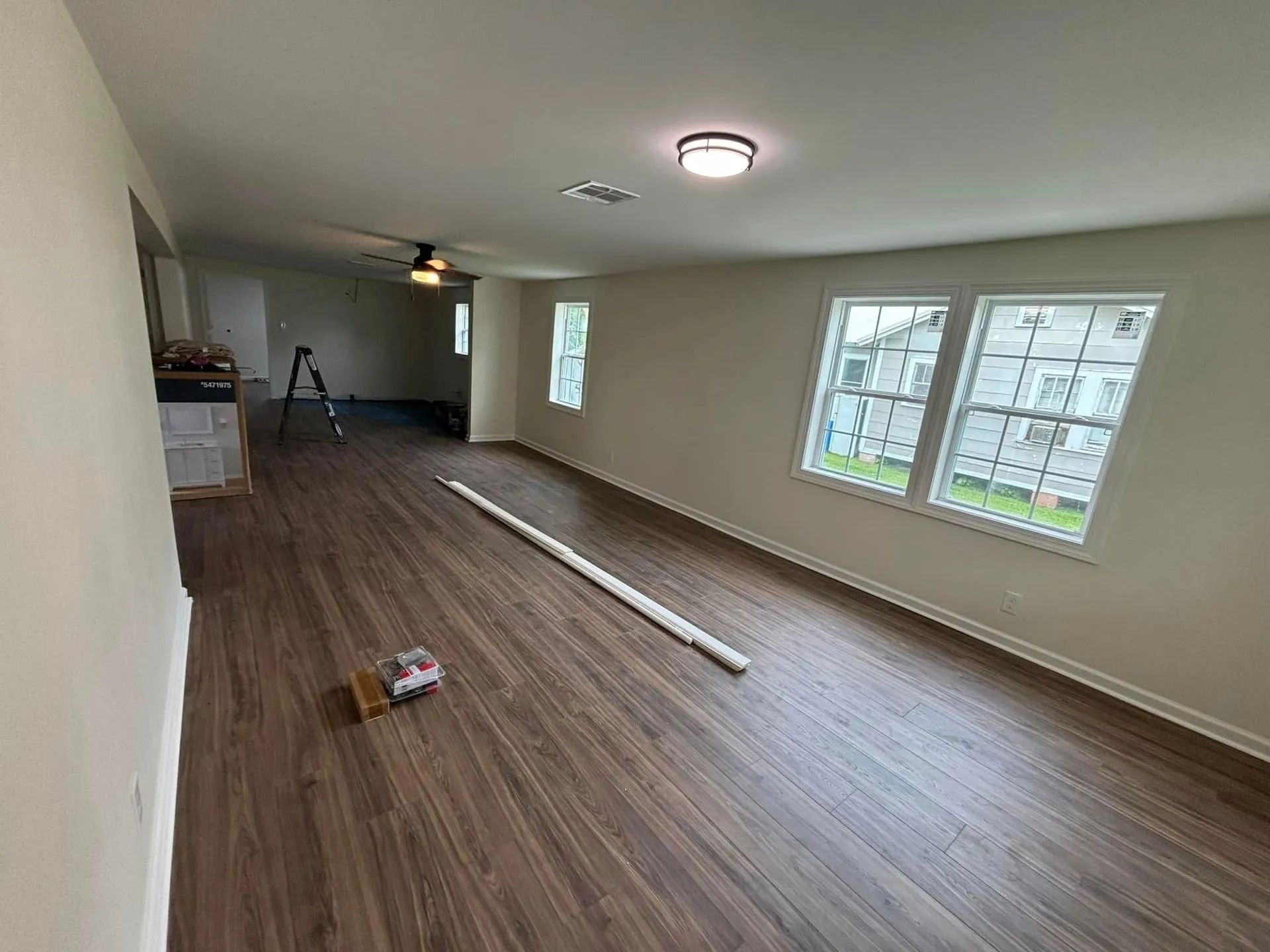
Fixing loose or buckled flooring depends on the extent of the damage. Minor bubbling can often be corrected by applying heat with a hairdryer and pressing the vinyl or laminate back into place. For larger areas, it may be necessary to remove and reinstall sections of flooring. Using high-quality adhesive and ensuring proper acclimation of materials before installation can prevent recurrence. Homeowners should also maintain a stable indoor temperature and moisture level to protect these types of flooring.
4. Carpet Wear and Tear
Common Causes in Mobile Homes
Carpet in mobile homes is susceptible to wear due to foot traffic, furniture placement, and aging materials. Additionally, moisture from spills or humidity can lead to staining, mold, or mildew under the carpet. Mobile homes with uneven floors can accelerate carpet wear, causing ripples or loose edges over time.
Signs of Carpet Damage
Key indicators of carpet problems include flattened fibers, visible stains, tears, and loose or curled edges. Persistent odors or mold growth beneath the carpet are warning signs of hidden moisture issues. Uneven flooring beneath the carpet can create areas of stress that lead to premature deterioration.
Effective Carpet Maintenance and Repairs
Maintaining carpet in a mobile home requires routine cleaning, prompt attention to spills, and regular inspection for signs of damage. Small tears or loose edges can be repaired using carpet seam adhesive or patch kits. For extensive wear or water damage, replacement may be the most cost-effective solution. Using high-quality carpet padding and ensuring the subfloor is level will extend the life of the flooring.
5. Creaking or Noisy Floors
Why Floors Creak
Creaking floors are a common complaint in mobile homes and usually result from friction between loose floorboards or subflooring and underlying joists. Changes in humidity, temperature, or settlement of the home can exacerbate this issue. While not always a structural concern, noisy floors can be annoying and may indicate areas that need reinforcement.
Identifying the Source
Pinpointing the source of creaks requires careful inspection. Walk across the floor slowly and note areas that produce noise. Look for gaps between floorboards or loose fasteners. Using a flashlight to examine joists and subflooring from underneath can also reveal contributing factors.
Solutions to Reduce Noise
Fixing creaking floors often involves securing loose boards or subflooring with screws or nails. Applying powdered talc or specialized lubricants between floorboards can reduce friction and noise temporarily. In cases of significant movement, reinforcing joists or adding additional support posts can eliminate creaks altogether. Regular maintenance and leveling help prevent the reoccurrence of this issue
6. Flooring Gaps and Separation
Causes of Gaps
Flooring gaps in mobile homes commonly occur due to natural expansion and contraction of materials, shifting foundations, or improper installation. These gaps can collect dirt, allow drafts, and reduce overall insulation efficiency. Ignoring gaps can lead to worsening structural issues or more extensive damage over time.
Identifying and Assessing Gaps
Gaps are typically visible along the edges of flooring or between individual planks. They can be measured with a ruler or simply observed by noting visible separations. Some movement is normal due to temperature and humidity changes, but large or widening gaps require attention.
Repair and Prevention
Filling gaps with wood filler, caulk, or flexible sealants is a common repair method for minor separations. For larger gaps, it may be necessary to remove and reinstall affected flooring sections. Maintaining consistent indoor humidity and proper leveling can prevent gaps from recurring. Homeowners should also consider using underlayment or expansion strips when installing new flooring to accommodate natural movement.
Durable Flooring Solutions Provided by Courville’s Specialists
Maintaining floors in mobile homes requires a proactive approach and a clear understanding of the unique challenges posed by this type of structure. From sagging subfloors to moisture damage, loose vinyl, worn carpet, creaking boards, and separation issues, each problem has identifiable causes and practical solutions. Timely detection and appropriate repairs not only improve the safety and comfort of a mobile home but also preserve its aesthetic and structural integrity. Homeowners who take preventative measures and address issues promptly can extend the life of their flooring and enjoy a more stable living environment.
For residents in Baton Rouge and surrounding areas, Courville's Mobile Home Leveling and Home Improvements
stands as a trusted authority with 30
years of experience in maintaining and repairing mobile home floors. Our team specializes in diagnosing flooring problems accurately and providing tailored solutions, from subfloor reinforcement to
professional flooring replacement. With decades of hands-on expertise, Courville's ensures that every repair is durable, precise, and aligned with best practices. We take pride in delivering reliable, professional, and long-lasting results, helping mobile homeowners safeguard their investment and enjoy a safe, comfortable living space for years to come.