Everything You Need to Know About Mobile Home Skirting and Why It Matters

December 20, 2025

Mobile homes provide affordable and flexible housing solutions, but their longevity, structural integrity, and overall comfort often depend on proper maintenance, regular inspections, and protective measures. One critical component that many homeowners frequently overlook is mobile home skirting. While it might appear to be merely decorative, skirting plays a vital role in safeguarding your home’s foundation, insulating the space beneath the structure, preventing energy loss, and enhancing overall curb appeal. Understanding its importance can help homeowners make informed decisions about suitable materials, correct installation methods, and ongoing maintenance strategies, ultimately extending the lifespan and value of their mobile home while reducing long-term repair costs.


Beyond aesthetics, mobile home skirting addresses multiple practical challenges and contributes to the home’s overall safety, efficiency, and structural resilience. It protects against moisture accumulation, prevents pest infestations, and shields plumbing systems, wiring, and insulation from extreme temperatures, weather fluctuations, and debris. With a variety of durable materials, including vinyl, metal, and composite options, homeowners have flexibility in balancing upfront cost, long-term durability, and desired style. This blog delves into the essentials of mobile home skirting, examining its benefits, installation techniques, maintenance tips, material comparisons, and common pitfalls to avoid. By exploring real-world examples, expert insights, and practical guidance, this guide equips homeowners with actionable knowledge to make strategic choices that enhance safety, comfort, efficiency, and the overall aesthetic and financial value of their mobile home.

Understanding Mobile Home Skirting 

  • What Is Mobile Home Skirting?

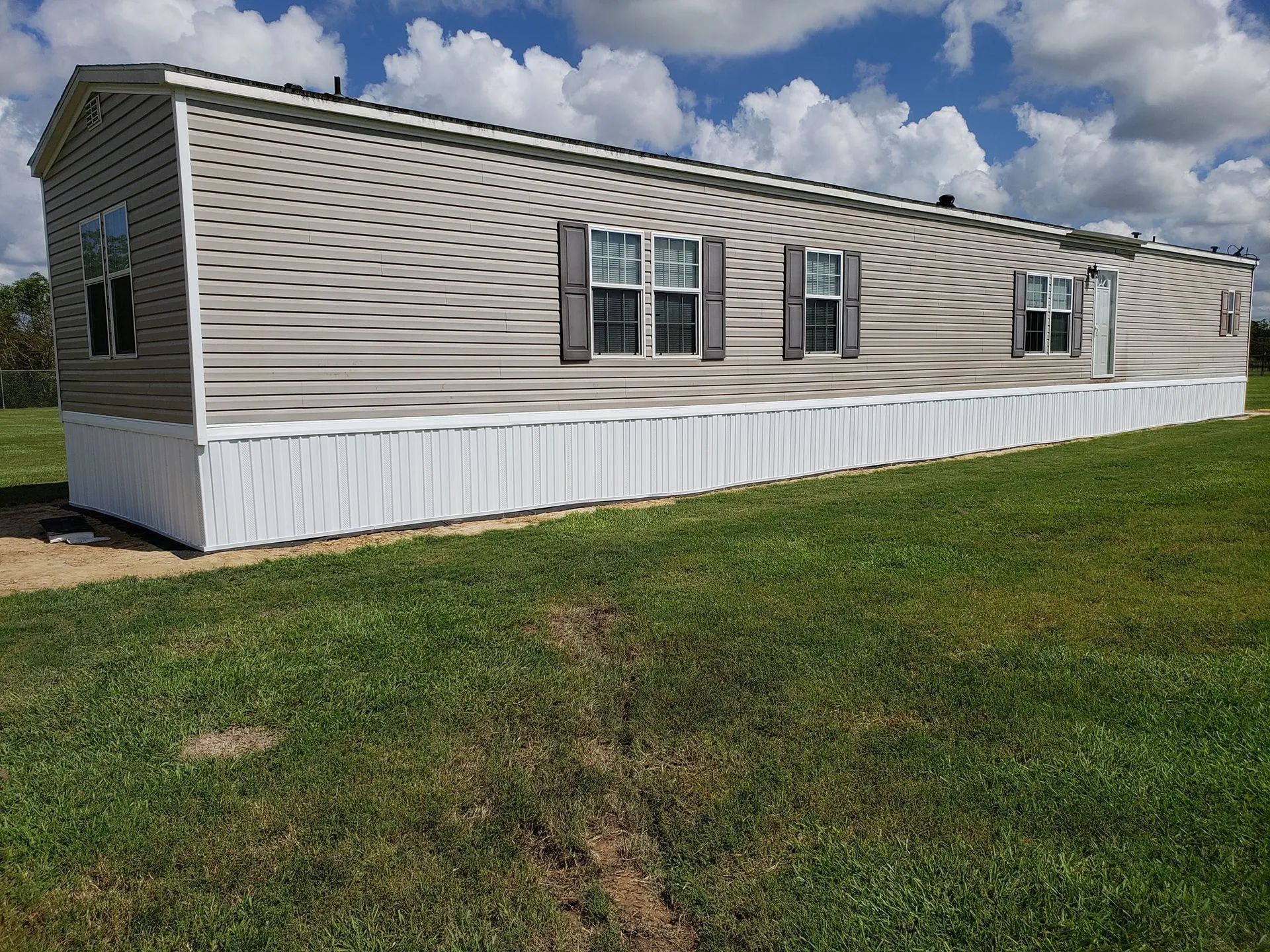
    Mobile home skirting refers to the material installed around the base of a mobile home, covering the gap between the ground and the structure. Its primary purpose is to enclose the crawl space beneath the home, creating a barrier that protects against external elements. Skirting typically comes in panels made of vinyl, metal, or wood, with each option offering distinct advantages and considerations.

  • Why Skirting Is Essential

    While some homeowners may view skirting as optional, neglecting this feature can lead to multiple problems. First, it acts as a thermal barrier, helping maintain a stable temperature beneath the home. Without proper skirting, cold air in winter or excessive heat in summer can infiltrate the crawl space, placing stress on heating and cooling systems. Second, skirting prevents debris, rodents, and insects from accessing the underhome area, reducing maintenance issues and health hazards. Finally, it supports water management by minimizing exposure to rainwater runoff, which can cause soil erosion and structural damage over time.

  • Common Skirting Materials

    • Vinyl Skirting: Lightweight, durable, and low-maintenance, vinyl is the most popular choice. It is resistant to rot, rust, and insect damage but may crack in extremely cold conditions.

    • Metal Skirting: Provides strength and long-term durability, especially in areas prone to strong winds. Requires occasional painting to prevent rust.

    • Wood Skirting: Offers a classic, natural appearance but requires consistent treatment and maintenance to prevent decay and pest infestations.

    • Composite or Stone-Faced Panels: Designed for aesthetics and insulation, these options are costlier but provide a premium appearance and longevity.
  • Real-World Scenario

    A homeowner in northern Louisiana installed vinyl skirting to replace a deteriorated wooden skirt. The new installation not only improved the home’s insulation but also prevented raccoons and snakes from entering the crawl space. This small upgrade significantly reduced utility costs and minimized pest-related repairs, demonstrating the practical importance of quality skirting

Benefits of Proper Mobile Home Skirting

Enhanced Energy Efficiency

Proper skirting insulates the area beneath the mobile home, reducing heat loss during winter and preventing excessive heat buildup in summer. By maintaining a more stable temperature, homeowners can lower energy consumption and reduce heating and cooling costs.

Protection from Pests and Wildlife

Mobile home skirting serves as a barrier against rodents, snakes, and insects. Unprotected crawl spaces are prime nesting areas for pests, which can damage wiring, plumbing, and insulation. Effective skirting prevents infestations, safeguarding the structural integrity of the home.

Moisture and Water Management

Skirting helps redirect rainwater and prevents water from pooling under the home. Moisture accumulation can cause mold, rot, and foundation weakening. Proper drainage and skirting design are essential to avoiding costly repairs over time.

Aesthetic and Property Value Improvements

A well-installed, clean, and uniform skirting enhances curb appeal, making a mobile home look more polished and cared for. This visual improvement can increase resale value and leave a positive impression on visitors or potential buyers.

Safety Enhancements

Skirting eliminates open spaces beneath the home, reducing tripping hazards or accidental injuries. It also provides some protection against wind-driven debris during storms, contributing to overall safety.

Installation Guidelines and Best Practices

  • Site Preparation

    Before installing skirting, ensure the ground around the home is level and free from sharp objects or debris. Uneven surfaces can lead to panel gaps, which compromise both aesthetics and functionality.

  • Choosing the Right Material

    Select skirting material based on climate, budget, and desired maintenance level. For example, vinyl is ideal in humid climates due to its resistance to rot, whereas metal may be better in areas prone to heavy storms.

  • Step-by-Step Installation Tips

    • Measure and Plan: Accurately measure all sides of the home, factoring in doors, vents, and access points.

    • Install Bottom Track: Place a bottom track along the foundation perimeter to secure panels.

    • Attach Panels: Snap or screw panels into the track, ensuring they are flush with the ground and the home exterior.

    • Secure Top Track: Fasten a top track or trim along the home siding to hold the panels firmly in place.

    • Add Vents and Access Points: Include ventilation to prevent moisture buildup and allow access to utilities beneath the home.
  • Common Installation Challenges

    Homeowners often face issues like uneven terrain, panel misalignment, and inadequate venting. Hiring experienced professionals or following manufacturer guidelines can mitigate these challenges, ensuring long-lasting performance

Maintenance Tips for Longevity

Routine Inspections

Regularly check for cracks, warping, or gaps in the skirting. Early detection of damage prevents small issues from escalating into costly repairs. Inspect after storms or extreme weather events to identify potential problems quickly.

Cleaning and Repairs

Vinyl and metal skirting can be cleaned with mild soap and water, while wood may require staining or sealing to prevent decay. Replace damaged panels immediately to maintain the barrier against pests and moisture.

Seasonal Adjustments

In colder climates, add insulation panels or reflective wraps to reinforce thermal protection during winter months. In areas with high rainfall, ensure that the drainage system is effective and that skirting does not trap water.

Professional Maintenance Services

Experienced mobile home maintenance professionals can inspect and repair skirting as part of routine home upkeep. Professional intervention ensures that the installation remains secure, venting is adequate, and material integrity is preserved.

Common Mistakes to Avoid

  • Neglecting Ventilation

    Insufficient venting can trap moisture, leading to mold growth and wood rot. Always include vents or lattice panels to facilitate air circulation beneath the home.

  • Choosing the Wrong Material

    Using a material not suited for the local climate can cause warping, cracking, or rusting. Select products designed to withstand regional weather conditions.

  • Skipping Proper Anchoring

    • Improperly anchored panels can blow away in strong winds or become misaligned over time. Secure top and bottom tracks firmly to the home’s foundation.
  • Ignoring Aesthetic Consistency

    Mismatched panels or uneven installation not only reduce curb appeal but may create weak points for pests to enter. Careful planning and measurement prevent visual and functional problems.

  • DIY Pitfalls

    While DIY installation can save costs, it often results in errors that compromise durability. Consulting experts ensures the skirting is installed correctly and safely.

Improve Home Value Through Professional Skirting Installation

Mobile home skirting is far more than a cosmetic addition. It serves critical functions that include energy efficiency, pest prevention, moisture management, and enhanced safety. Selecting the right material, ensuring proper installation, and maintaining it consistently can significantly extend the life of a mobile home. From preventing costly repairs to improving curb appeal, skirting provides measurable benefits that directly impact comfort, safety, and long-term value.


Investing in high-quality skirting materials and professional installation is a practical decision for mobile homeowners. Understanding the options available—vinyl, metal, wood, or composite—allows homeowners to make informed choices tailored to their specific climate, budget, and aesthetic goals. Regular inspections and timely repairs maintain the effectiveness of skirting, ensuring it continues to protect the home and its occupants. Avoiding common mistakes such as inadequate ventilation, poor anchoring, or material misselection is essential for achieving a durable and functional installation.


For homeowners in Baton Rouge and surrounding areas, Courville's Mobile Home Leveling and Home Improvements offers unparalleled expertise in skirting installation and maintenance. With 30 years of experience, our team has worked with countless mobile homes, providing solutions that enhance energy efficiency, protect against pests, and improve overall aesthetics. We understand the unique challenges of mobile home maintenance in Louisiana's climate and deliver tailored solutions that combine quality craftsmanship, professional guidance, and reliable service. Whether you are upgrading old skirting, addressing damage, or seeking expert advice on new installation, we are your trusted partner for home improvement solutions. Our dedication to precision, safety, and long-term results ensures that every project meets the highest standards, allowing homeowners to enjoy a comfortable, secure, and visually appealing living space for years to come.

Empty living room with wood-look flooring, cream walls, and three windows.
January 12, 2026
Manufactured homes offer a unique blend of affordability, efficiency, and flexibility, making them a popular choice for homeowners across the United States. However, many manufactured home owners often wonder how they can enhance the value and appeal of their property without undergoing a complete reconstruction.
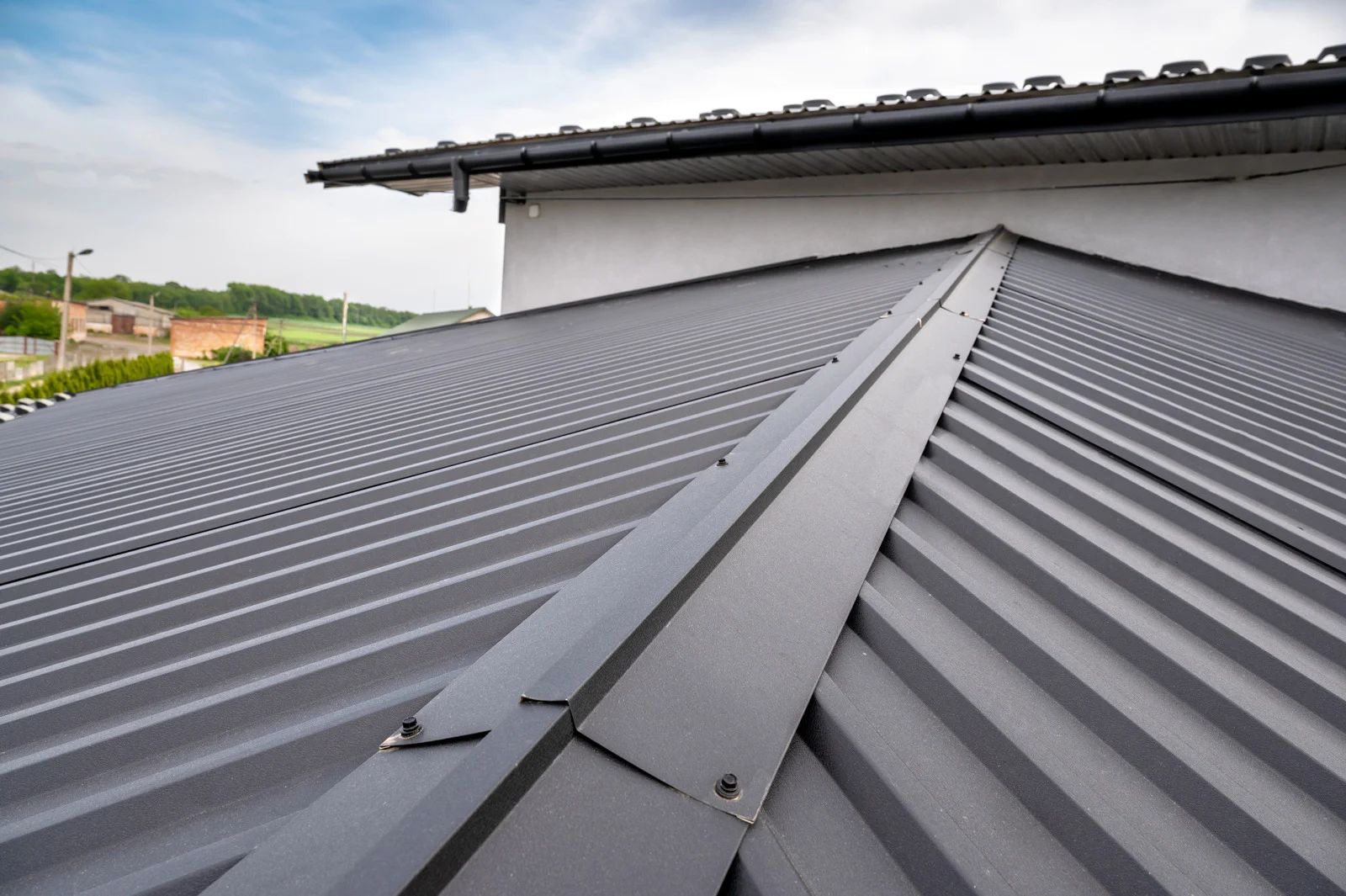
Gray metal roof with ridges, featuring a valley flashing and gutter against a cloudy sky.
November 17, 2025
Mobile homes often face unique challenges when it comes to roofing. Due to their construction and exposure to the elements, standard roofs can wear out faster than those on traditional homes.
Tan mobile home with white skirting on green grass under a cloudy sky.
October 14, 2025
When it comes to upgrading the exterior of mobile and manufactured homes, vinyl siding stands out as one of the most practical and cost-effective choices. Not only does it enhance the aesthetic appeal of your property, but it also provides long-term protection against harsh weather conditions.
Corner of a building with damaged plaster and visible foundation; black mold present.
September 18, 2025
A stable foundation is the backbone of any safe, well-functioning home. In areas like Baton Rouge, Louisiana, shifting soil, heavy rain, and humidity can gradually erode that stability, leading to significant structural damage. Foundation issues may start small—perhaps a cracked wall or sticky door—
Underneath a mobile home: concrete block columns support a dark structure, dirt ground.
August 23, 2025
Pier and beam foundations are a common structural choice for homes in areas like Baton Rouge, Louisiana, where moisture levels and soil conditions vary throughout the year. While these foundations offer flexibility, crawl space access, and effective ventilation, they can also shift over time, leading to uneven floors,
A shadow of a person is cast on the ground under a house.
July 23, 2025
Maintaining a level foundation is essential for the structural integrity and comfort of any mobile home. Over time, factors such as shifting soil, moisture, or natural settling can cause a mobile home to become uneven.